What Happened to Henny Scott?
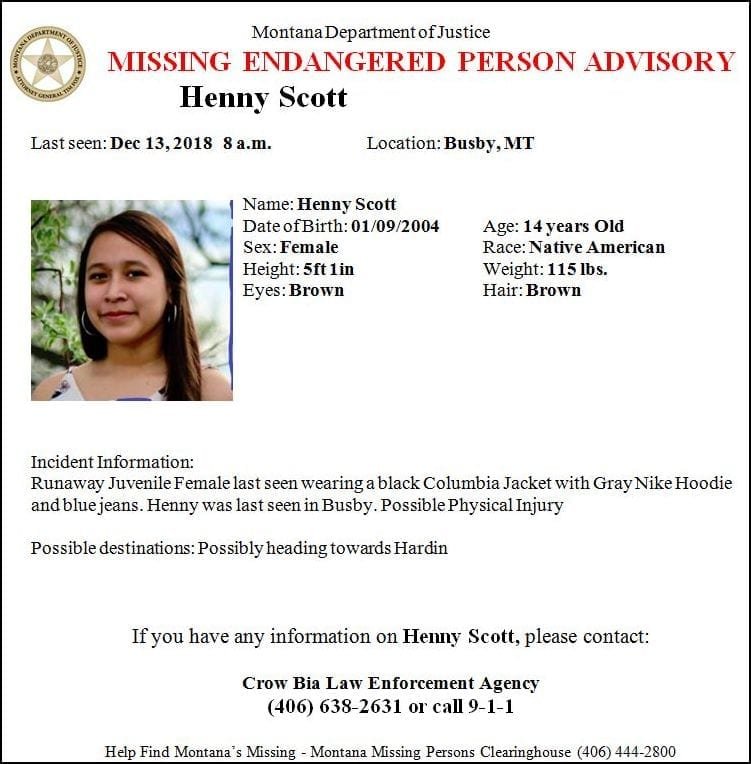
Fourteen-year-old Henny Scott was last seen walking away from a house in the Muddy Creek area near Lame Deer, Montana, on the night of December 8, 2018. It was bitterly cold. She wore only a hoodie and jeans. For nearly three weeks, her family begged authorities to take her disappearance seriously. When they didn’t, they organized their own search — and found Henny’s body less than 200 yards from where she’d vanished.
Officials ruled it hypothermia. Her family disagrees.
A Bright Light Dimmed Too Soon
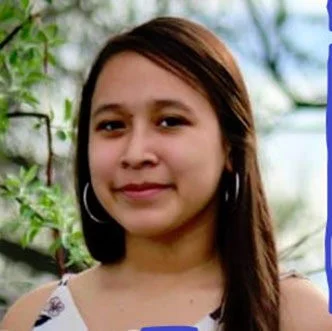
Henny was a freshman at Lame Deer High School — a kind, funny, and driven girl who loved basketball, dancing, and making people laugh. She dreamed of joining the military, maybe becoming a doctor. Her Cheyenne name, Neso’eoo’e, means “Twenty Stands Woman.” She was a protector, a friend, a sister, and a daughter.
“She could just walk in a room and light it up,” her mother, Paula Castro-Stops, remembers. “She always made sure everyone else was okay.”
An Urgent Search Delayed
When Henny didn’t come home, her family immediately reported her missing. But their alarm was met with silence. No Amber Alert was issued. The missing person paperwork sat on a Bureau of Indian Affairs officer’s desk for two weeks while he was on vacation.
Paula kept pushing. The police said she was probably a runaway.
But Henny had missed her mom’s birthday. She didn’t run away.
On December 28, a volunteer search party organized by her family found her body. In the open. Close enough to see from the house she’d left.
What the Autopsy Missed — Or Ignored
The Big Horn County coroner ruled her death accidental. Cause: hypothermia. Contributing factor: alcohol.
But her family says there was more.
They say her nose looked broken. Her face was bruised. There were scratches on her chest. Her body was found wearing clothes they say weren’t hers. They showed photos. They asked questions. They were told: there’s nothing more to investigate.
The U.S. Attorney’s Office declined to bring charges. Case closed.
A Pattern in Big Horn County
Henny wasn’t the first Native girl to go missing in Big Horn County. She wasn’t the last. Many of their cases ended the same way: a late search, a sudden discovery, a ruling of hypothermia.
The county coroner, Terry Bullis, ruled exposure in multiple high-profile cases involving Indigenous teens — far more often than would be expected in any other part of the state or country. In one case, he had a girl’s body cremated before her family could seek a second autopsy.
Indigenous families in the region have called out the pattern: deaths dismissed as accidents, investigations left unfinished, questions left unanswered.
Henny’s Voice Lives On
Henny’s family is still fighting. Her mother speaks at rallies. Her story has been featured in documentaries and advocacy campaigns. And still, no one has been held accountable.
“She didn’t just freeze to death,” Paula says. “Something happened. And they didn’t care.”
In this episode of Vanished Voices, we tell Henny Scott’s story with the detail, care, and urgency it deserves — not just to remember her, but to push for change.
What You Can Do
- Share Henny’s story.
- Support MMIW advocacy groups like the Sovereign Bodies Institute and NIWRC.
- Demand accountability from law enforcement in Big Horn County and beyond.
- Push for legislative reform so no family has to search for their child alone.
Because Henny mattered. And her story is not over.
Have thoughts on this story or other cases you’d like to see highlighted? Share them with us in the comments or connect with us on social media. Together, we can ensure that stories like this one are never forgotten.
Don’t forget to follow us on social media, @VanishedVoicesPod, share your thoughts, and let us know what you’d like to hear about in future episodes. If you have any true crime stories of your own, send them our way Vanishedvoicespodcast@gmail.com to be featured on a future episode! And as always, Refuse to let these voices vanish. See you in the next episode of Vanished Voices.
Resources:
Yellowstone Public Radio: “No Answers in Big Horn County”
An in-depth report on the failures surrounding Henny’s disappearance and the demand for case reviews.
Read here
Native News Project: “Search for Survival”
A longform investigation following Paula Castro-Stops’s search for her daughter and the wider MMIW context.
Read here
The Guardian: “Families Deserve Answers” (2023)
Coverage of Murder in Big Horn and Henny’s story alongside other MMIW cases.
Read here
U.S. Department of Justice (Montana District) – Press Release
“No federal charges to be sought in death of Henny Scott.”
Read here
Showtime’s “Murder in Big Horn” (2023)
A docuseries examining Henny’s case, among others, highlighting systemic failures.
Watch here (Showtime)
Trailer available on YouTube: YouTube Trailer
Oxygen’s “Murdered and Missing in Montana” (2021)
Covers Henny Scott, Kaysera Stops Pretty Places, and Selena Not Afraid.
Watch here (Oxygen)
Sovereign Bodies Institute (SBI)
Research, advocacy, and case tracking for MMIW, including Henny Scott’s case.
Visit SBI
National Indigenous Women’s Resource Center (NIWRC)
Offers policy guidance, survivor support, and public education on MMIWG2S.
Visit NIWRC
Montana Missing Indigenous Persons Task Force
State initiative working on prevention, data, and coordination in MMIW cases.
View MMIP Info
Missing and Murdered Indigenous Relatives (MMIR) Montana
State-based advocacy and search support.
I’ve been exploring for a bit for any high-quality articles or weblog posts in this kind of house . Exploring in Yahoo I eventually stumbled upon this website. Reading this info So i am happy to exhibit that I’ve a very good uncanny feeling I came upon just what I needed. I most indubitably will make sure to don?t put out of your mind this web site and give it a look on a relentless basis.